


War, Oil, and Rate Hikes: How to Bullet-Proof Your Portfolio in the 2026 Inflation Shock
With crude up 35%, wholesale inflation at 6%, and the Fed poised to hike, here’s a practical, beginner-friendly playbook for protecting your wealth right now.

Sarah Chen is a Senior Financial Analyst with over 12 years of experience in equity research and portfolio management. She previously worked at Morgan Stanley and Fidelity Investments, specializing in technology and emerging market equities. Sarah holds a CFA charter and an MBA from Columbia Business School. At MarketCapInvest, she covers global markets, macroeconomic trends, and long-term investment strategies.
With crude up 35%, wholesale inflation at 6%, and the Fed poised to hike, here’s a practical, beginner-friendly playbook for protecting your wealth right now.
The Iran war has upended the Fed’s playbook. With PPI at 6% and gasoline up 40%, rate hike bets are surging ahead of Kevin Warsh’s first meeting.
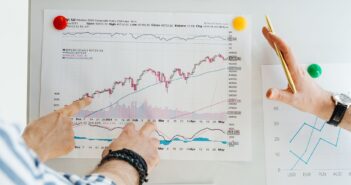
A Nasdaq plunge, a Middle East war, and a $5.6B single-week inflow signal a pivotal shift from growth to quality income investing.
A hotter-than-expected May payrolls print and U.S.-Iran war jitters are battering the euro even as the ECB prepares to hike on June 11.

Bitcoin has shed nearly 11% in June alone, erasing all post-February rally gains as ETF outflows surpass $3 billion and rate-hike fears mount.
A hotter-than-expected May payrolls print reignited Fed rate-hike fears, erasing a $1 trillion chip rally and snapping a 9-week winning streak for stocks.

With the Fed set to hike twice and CPI at 3.8%, here’s a plain-English playbook for protecting and growing your money in a sticky-inflation world.

Markets entered 2026 expecting rate relief. Now two hikes loom by year-end. Here’s what the stunning reversal means for investors.
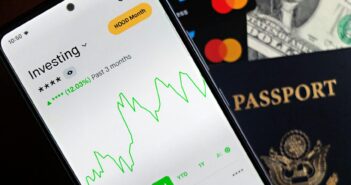
The Roundhill Memory ETF hit $6.5B AUM in 36 days — faster than any ETF in history. Here’s what’s fueling the AI-memory fund explosion and what investors should watch.
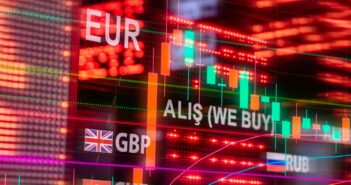
The euro is losing ground despite hawkish ECB signals. Here’s why diverging central-bank calendars and Middle East energy risk are pulling EUR/USD in opposite directions.